Lay down early to lock in your points
 Next strategyChase high cards early, drop them late
Table or hand: a double swing
Cards on the table score for you. Cards left in your hand when the round ends count against you.
Take three 8s. Laid down, they are worth +24. Kept in hand when your opponent goes out, they cost -24. The same three cards make a 48-point difference.

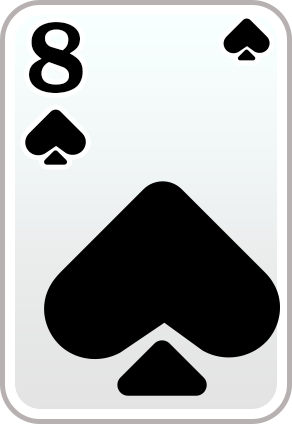

Your hand at the start of your turn
You hold three 8s, a complete set, and four cards that fit nothing yet. You have not laid anything so far.
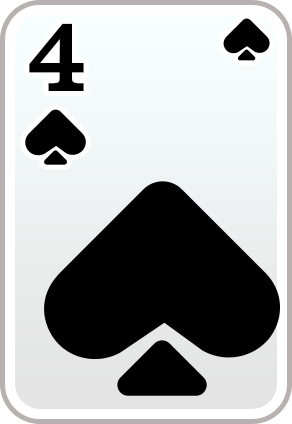



On the table
Your opponent has already laid a run of spades: 5, 6 and 7.
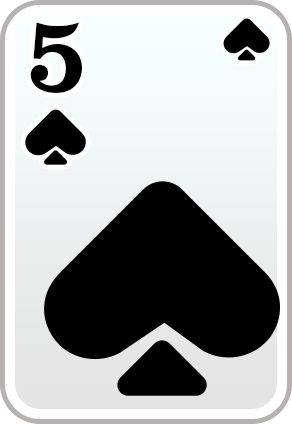
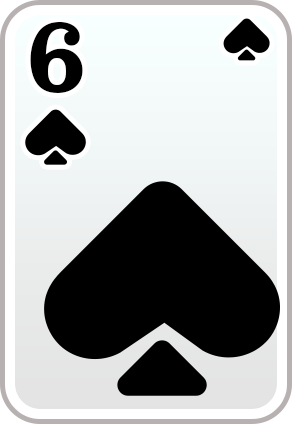
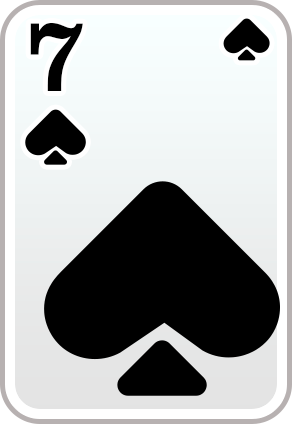
What you do
You draw, lay the three 8s and discard the 2 of hearts. The 24 points are now safe, whatever happens next.
Laying down unlocks more points
Once you have laid a first combination of your own, you may add cards to any combination on the table, including your opponent's.
A run of 4-5-6 of hearts on the table lets you add the 7 of hearts later, on your own or on their run. The earlier you open, the more turns you have to place single cards.


On your next turn
Because you have opened, you may now add your 4 of spades in front of your opponent's run: 4 more points for you, and one card less in your hand.
When waiting makes sense
Only keep back what is not a combination yet. A pair of 9s is worth nothing on the table: hold it while a third 9 can still come, and let it go when the round is about to end.
A complete combination has no reason to stay in your hand. The round is played in a single deal: there is no next round to catch up.
This is a strategy recommendation, not a compulsory play. Compare overlapping combinations first and always keep one card to discard.


Remember
- A complete combination goes on the table at once.
- Your first combination opens the right to add cards everywhere.
- In hand, points are a risk. On the table, they are yours.