Count the dead cards
What is a dead card?
A card already laid in a combination stays on the table: you cannot take it back into your hand. It is unavailable for a separate combination, but you may still be able to add cards to its combination.
For the counting example below, assume a single deck: each natural card appears once. The two jokers are additional ways to complete a valid combination.


Your hand
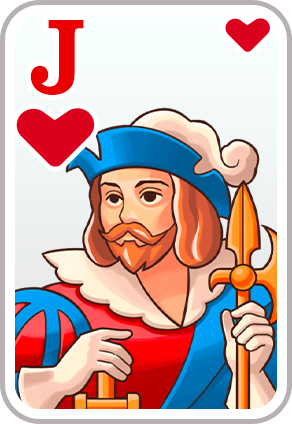
A pair of tens, the jack of hearts and three small cards. You have already laid a combination earlier in the round.




Stop waiting for it
You hold the 10 of clubs and diamonds. With the 10 of hearts already laid, the 10 of spades is the only remaining natural ten in this single-deck example. A joker can also complete the set.
You have lost one natural option, not necessarily half your probability of success: that depends on which cards are still available and where they are.
Change your plan
A dead card can also become an opportunity. You hold the jack of hearts? Their run of hearts now ends with the 10: add your jack to it and score.
Each time a combination is laid, ask two questions: which of my plans just died, and which of my cards just found a place?
Your discard
After adding the jack, throw one of your tens: the pair has become a long shot.
Do not confuse with the discard pile
A card in the discard pile is still accessible. You may take the top card without laying it immediately; a deeper card must be played immediately and taken with every card above it. Cards already laid cannot be picked up, but their combinations can still receive legal additions.
Remember
Recount the natural cards and jokers still available after each new combination. A card on the table cannot return to your hand, but its combination may give your own cards a place.