Keep the cards that work two ways
 Next strategyPlay the joker well
One card, two plans
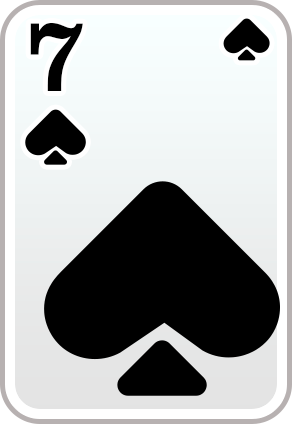
You hold the 7 of hearts, the 7 of spades and the 8 of hearts. The 7 of hearts belongs to two projects at once: a set of 7s and a run of hearts.


Count the cards that help you
Four different natural cards complete a combination here: the 7 of diamonds or clubs for the set, the 6 or 9 of hearts for the run.
A joker can help too. Count cards still available rather than treating these four possibilities as a guaranteed faster finish.


Pairs that wait for one card
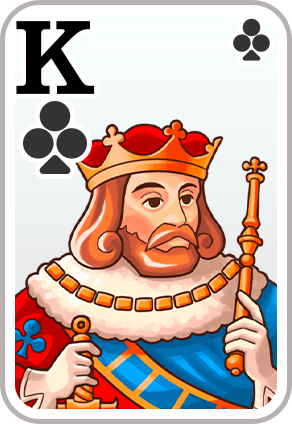
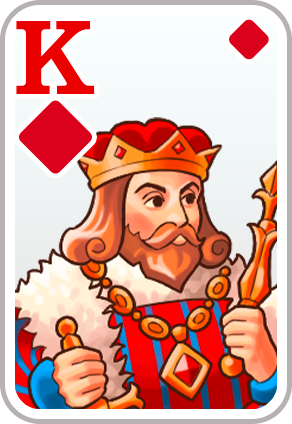
In this single-deck example, a pair of kings waits for either of the two other kings, or a joker. If one of those kings is already on the table, only one natural king remains available.
Prefer the group with more available ways to finish, while also considering its points and the risk of the round ending.
A full example
Here is how the count guides a real decision.
Your hand
Two groups: the 7 of hearts, the 7 of spades and the 8 of hearts on one side, a pair of kings on the other.
On the table
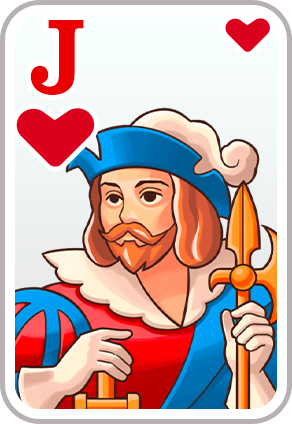
Your opponent has laid jack, queen and king of hearts. One of the two kings you were waiting for is gone.
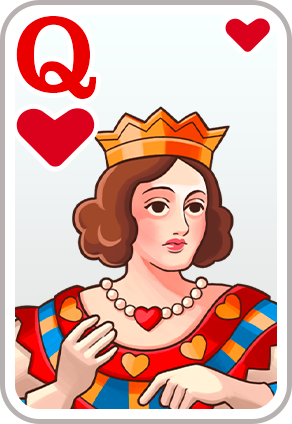
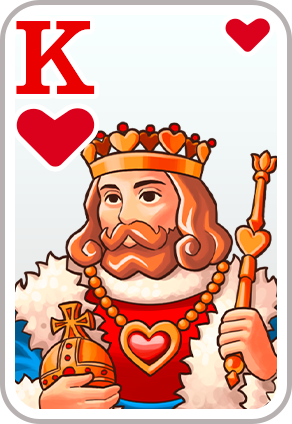
You draw the 9 of hearts
The flexible group pays first: you lay 7-8-9 of hearts for 24 points.
Your discard
The king of spades is the only natural king still available in this example; a joker would also complete the set. Discarding an unmatched king reduces a 20-point risk when keeping the pair no longer looks worthwhile.
Remember
- Prefer cards that fit both a run and a set.
- Count how many cards can complete each group.
- Discard from the group with the fewest chances.