General rules
Rummy 500 is an exciting blend of luck, skill, and strategy. You’ll find each time you play offers different challenges and new ways to compete. You’ll use your cards to complete sets or runs in a race to score more points than the other player. You’ll also find that, thanks to the simplicity of the basic rules but the nuance involved in the actual gameplay, Rummy 500 is perfect for players of any age!
Objective of the Game
In games of Classic Rummy 500, the first player to score 500 points is the winner. Points are scored when players can lay combinations of cards (called “runs” and “sets”), and then points are deducted based upon the value of the cards in each player’s hand at the end of a round.
In Speed Rummy, the player with the most points after one round is the winner.
Setup
Games mode
Rummy500.com provides two versions to play:
- Classic Game: For 2 players, rounds continue until one player scores 500 points
- Speed Game: For 2 players and played in a single hand


Card Deck
Hearts





Diamonds




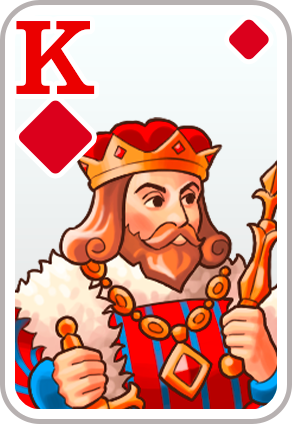
Clubs





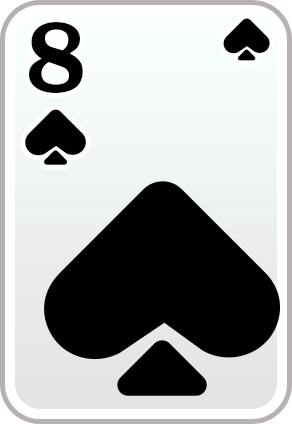
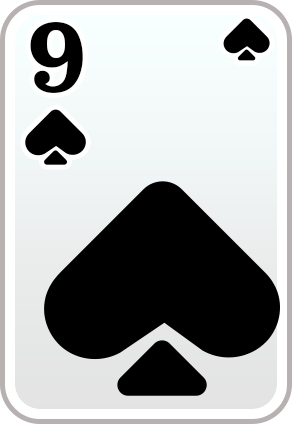
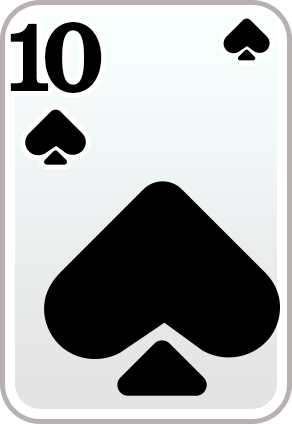
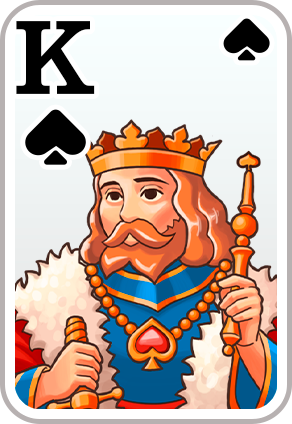
Spades


Jokers

Game Flow
1. Card Distribution
2. Possible Combinations
Players must form groups of three cards (called “meld”s) in one of two different combinations:
- Sets: Cards of the same rank but in different suits (e.g., three 8s)
- Runs: A consecutive sequence of cards of the same suit (e.g., 4, 5, and 6 of Hearts)
3. The Turn Sequence
During their turn, players must :
1) Draw a card (either from the Draw Pile or the Discard Pile)
2) Lay down new combinations or add to existing combinations previously laid by either player
3) Discard a card


4. Draw a card from the Discard pile
A player may elect to start their turn by drawing from the visible cards in the Discard Pile. When doing so, they must :
1) Choose a card from anywhere in the Discard Pile
2) Place all the cards stacked on their chosen card into their hand
3) Play one meld using their chosen card and the other cards in their hand
As a result, the player could finish their term with several more cards in their hand than when the turn began. But that’s how you score more points!
5. End of Round and Scoring
The round ends when one player has played all the cards in their hand or when no cards remain in the Draw Pile.
Points are then calculated by adding the values of the cards laid and deducting the values of the cards remaining in players’ hands.
6. Card Values
- Each card with a number is worth its number in points (e.g., a 5 is worth 5 points)
- Each face card (Kings, Queens, Jacks) is worth 10 points
- Each Joker is worth 15 points
- Each Ace is worth 1 point
Basic Keys to Victory
1) Always look to score points while minimizing end-of-round deductions.
2) Being strategic about which cards to draw and when is important for making high-scoring combinations.3) Avoid holding high-value cards in your hand at the end of any round.4) Watch what your opponent discards: you may be able to anticipate their strategy and turn it in your favor!Advanced Strategies
1) Wait to play meld until you can catch your opponent with a handful of penalty cards.
2) Weigh the advantages of taking cards you know from the Discard Pile with the possibility of unseen, high-value cards in the Draw Pile.
3) Save Jokers for the moment they have the biggest impact on the game (see Advanced Strategy 1).
4) Be patient. Rummy 500 rewards reflection and patience! (Unless you’re playing a Speed Game, in which case, go go go! may be the best approach!)