Don't feed your opponent
 Next strategyCheck the pile before you discard
Watch what they take
Your opponent’s pickups give clues, not certainty, about their hidden hand. Taking the 7 of hearts may suggest a set of 7s or a heart run around it. Keep both possibilities in mind.

Your hand
The top card can be taken without playing it immediately, but it cannot be discarded again on the same turn. Your opponent has just taken the 7 of hearts: look at your own hand for cards that might help their next play.

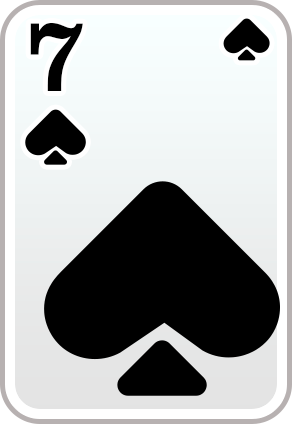
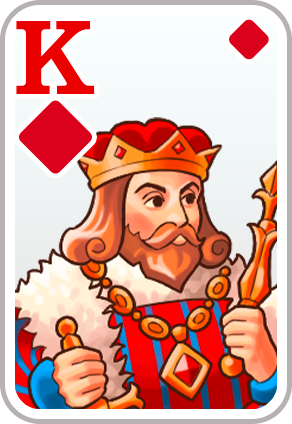


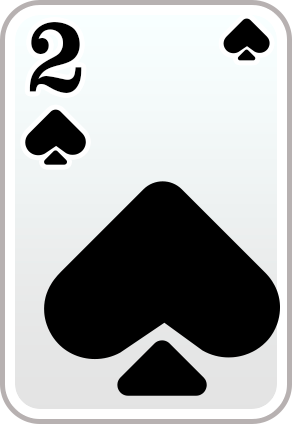

The cards that became dangerous
The 6 and 8 of hearts, and the other 7s, deserve extra attention: they could help a run or a set. The actual danger depends on the rest of their hand and on the table. Keep or use these cards when that does not expose you to a larger penalty.


The two cards to keep
The 6 of hearts would extend a run of hearts around the 7. The 7 of spades would complete a set of 7s. Throwing either of them could give them a combination.
Throw what they refuse
An opponent’s discard is a clue that they do not currently need that card. A card of the same rank may be a reasonable discard, but it could still help a run in another suit.
Compare that clue with their pickups and the visible combinations. Never pick up a discard simply to throw the same card back: that is forbidden on the same turn.

Their discard and yours
They discarded the king of clubs. Your unmatched king of diamonds may therefore be less risky than the 6 of hearts or the 7 of spades. Check for a diamond run before choosing it: no discard is guaranteed safe.
Remember
Use pickups and discards as clues. Watch nearby cards and matching ranks, then weigh the danger of helping your opponent against the points you risk keeping in hand.